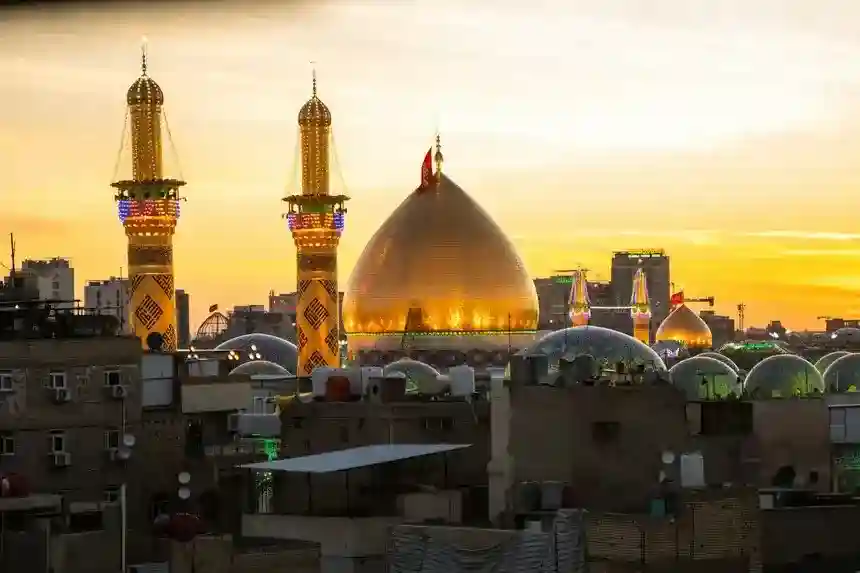
Every year in Muharram, Muslims around the world gather to remember Karbala. The story is sad, but it is also a story of courage, faith and sacrifice. This is a short and respectful retelling, with the lessons it holds.
The story of Karbala
In 61 AH (680 CE), the Prophet's grandson, Imam Husayn (a.s.), refused to give allegiance to Yazid, a ruler whom he believed was undermining the religion. Invited by people of Kufa, he set out with his family and companions. Near Karbala, their path was blocked, and they were denied access to water.
Battle of Karbala summary
On the tenth of Muharram, known as Ashura, Imam Husayn (a.s.) and his companions were martyred after offering their final prayers. Women and children were taken captive. Lady Zaynab (s.a.) spoke bravely in the courts of the rulers, preserving the message of Karbala. Imam Zayn al-Abidin (a.s.), who was ill, survived, and he carried the story forward.
Why Imam Hussain went to Karbala
Imam Husayn (a.s.) said he did not rise for power but to seek reform in the community of his grandfather. He chose to stand for justice and truth rather than give legitimacy to injustice, even when the cost was great.
Ashura meaning
Ashura is the day of remembrance. Many Muslims mourn, recite elegies, attend majalis and help others through food and charity. It is a day to renew our commitment to Allah, to prayer and to standing with the oppressed.
Lessons from Karbala
- Stand for justice, even when you stand almost alone.
- Hold onto prayer, even in the hardest moment.
- Be patient and grateful, as Lady Zaynab (s.a.) was.
- Value family and loyalty, as the companions of Imam Husayn (a.s.) did.
Teaching children about Karbala
Choose gentle language, avoid graphic details and focus on courage, kindness and faith. Our teachers explain Karbala in age-appropriate ways in the Aqaid, Akhlaq and History course.
Learn more
Explore the history course or book a free trial to ask your questions to a teacher.